Scope
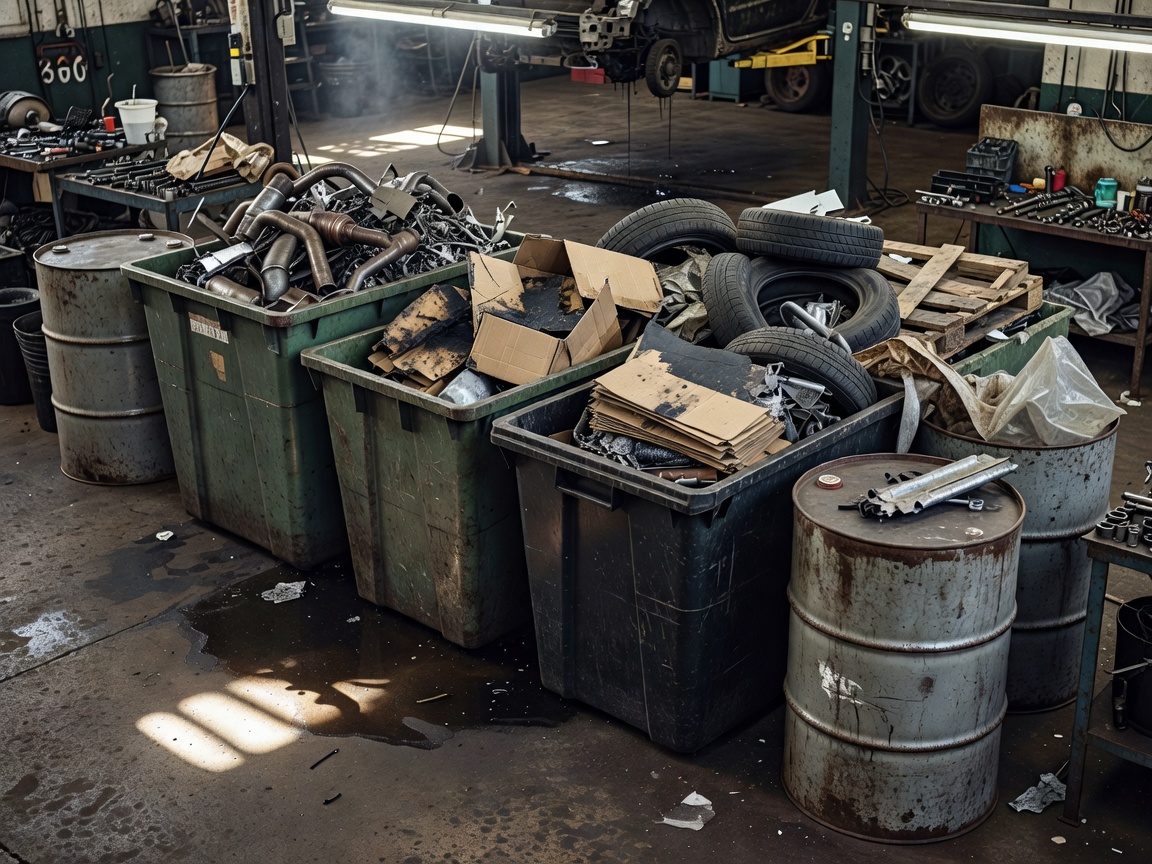
Collection planning begins with the service areas producing waste: bays, fluid stations, parts rooms, tyre areas and external storage points. We help establish what is present, where it is held and when the collection point can be made ready. Material categories remain visible rather than being treated as one undifferentiated load.
The operating brief can include recurring collection windows, container coordination, site access notes, collection-point checks and documentation requirements. Availability depends on location, material category, access conditions and the requirements of the appointed service route.
Scheduled and reactive collection
Scheduled collection is planned around a known routine. It suits workshops with recurring streams, predictable access and a defined holding area. Reactive collection responds to an unexpected accumulation, a changed operating pattern or a space constraint. It may require faster coordination and a more detailed access check.
Neither model removes the need to identify materials and confirm suitable arrangements. A regular route may reduce uncertainty, while a reactive request may be appropriate when the normal pattern has changed. Frequency should follow the workshop’s actual output, available storage and site procedure, not an assumed volume.
Typical areas and considerations
- Service bays and collection points.
- Oil and fluid storage areas.
- Parts rooms and dismantling benches.
- Tyre and battery holding areas.
- External access lanes and loading positions.
Vehicle access, turning space, overhead restrictions, pedestrian movement and collection timing should be checked before attendance. Keep access information current when bays or storage positions change.
Common issues and limitations
Mixed materials, unclear containers, blocked access and unmarked temporary storage can delay a collection. Labels and local procedures should be used consistently. This service provides planning and coordination support; it does not replace site risk assessments, manufacturer instructions, safety data sheets or professional advice.
Good fit for
Independent workshops, service centres, body repair operations and fleet maintenance sites that need a defined route for recurring workshop materials.
What to prepare
Prepare the workshop address, access restrictions, waste categories, container details, preferred collection pattern and the person responsible for site coordination. Related services include oil and fluid handling and sorting and documentation.