Service introduction
Used oil and fluid streams need clear identification before collection planning. The operating focus is on what the workshop produces, how it is contained, where it is stored and which records are needed. The service does not prescribe chemical treatment, mixing or disposal methods.
Scope and workflow
We review fluid-producing areas, existing containers, labels, access and the expected collection pattern. The workflow is identify, isolate by known category, confirm the collection arrangement, check readiness and document the activity. Material descriptions should follow site procedures, manufacturer information and available safety data sheets.
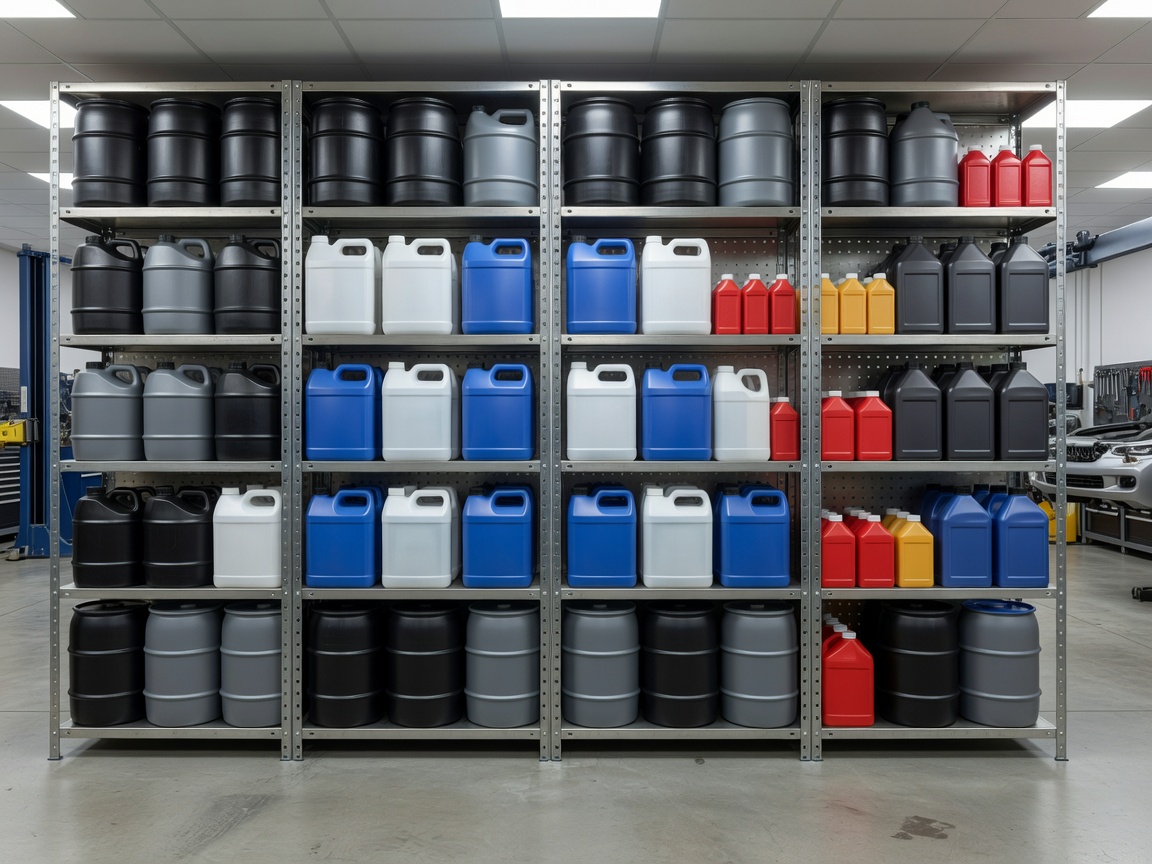
Typical areas include oil service bays, fluid transfer points, parts cleaning areas and designated external storage. Containers should be suitable for their intended use, closed where required by site procedure and protected from avoidable damage or contamination. Any concern about a container, leak or unknown material should be escalated to qualified personnel.
Collection considerations
Collection timing depends on the workshop schedule, storage capacity, access and material category. Provide the address, access route, container type, known fluid description and preferred service window. Do not assume that different fluids can be combined. Confirm arrangements with the responsible service provider and relevant local requirements.
Common issues
Unmarked containers, open vessels, incompatible storage, poor access and fluid descriptions based only on colour can create uncertainty. A simple area check helps identify changes before collection. Spill prevention should follow the site’s own procedures, equipment instructions and safety guidance. We do not provide hazardous handling recipes.
Advantages and limitations
Clear identification improves planning and makes records easier to review. A fixed collection point can improve housekeeping, while a flexible point may suit a changing workshop. The limitation is that service planning cannot determine the legal classification of an unknown material or replace competent assessment.
Good fit for
Workshops with recurring oil service, fluid replacement or maintenance activity that need a defined collection conversation.
What to prepare
Prepare known material names, container details, storage location, access notes, safety information and any existing records. Related routes include workshop waste collection and documentation support.