Service introduction
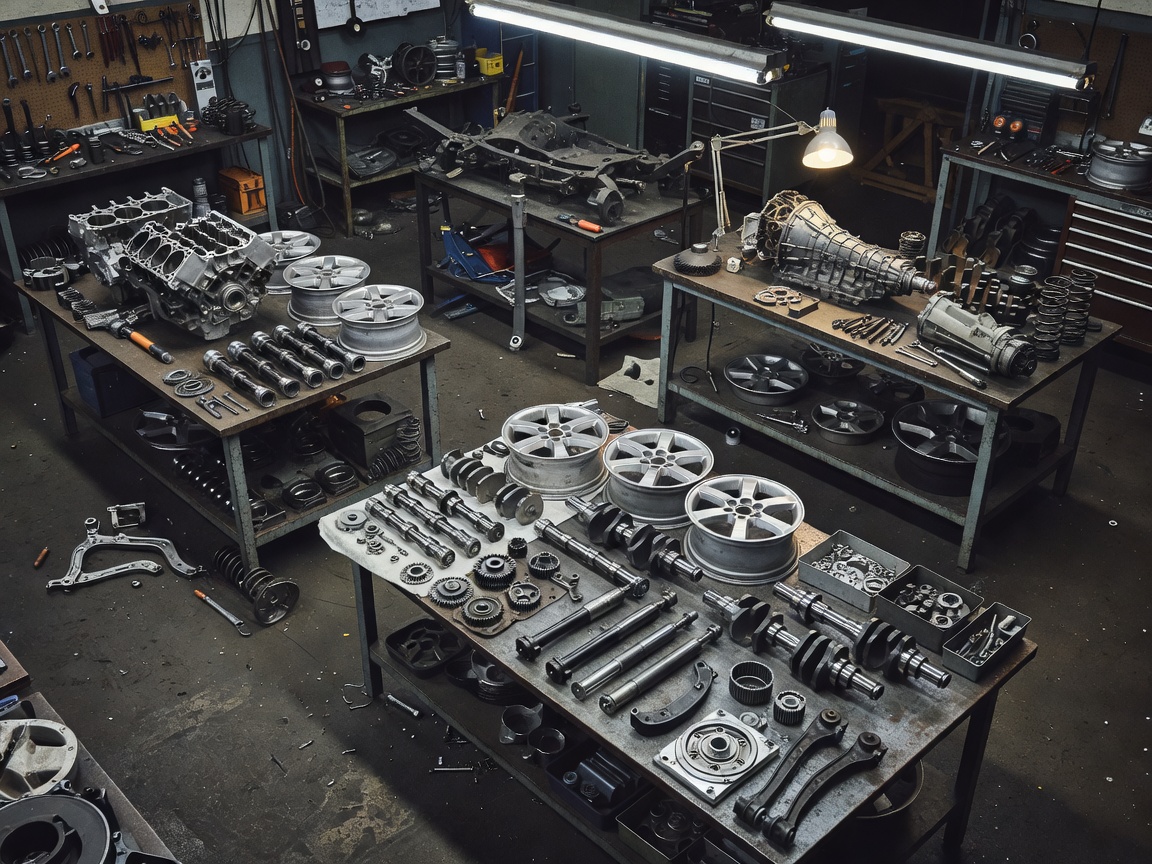
Parts recovery planning starts with identification. Used components may include steel assemblies, aluminium parts, wiring, housings, filters, panels and mixed workshop items. Material composition is not always obvious from appearance, so the service focuses on practical sorting and collection preparation rather than promising a particular recovery result.
Scope
We help define categories, collection points and preparation notes. Ferrous and non-ferrous materials may be separated where the workshop can identify them with confidence. Components containing fluids, batteries, electronic elements or bonded materials should remain subject to the appropriate site procedure and professional assessment.
Typical areas include parts rooms, dismantling benches, repair bays, returns areas and external cages. Keep components stable, accessible and separated from fluid streams where required. Do not dismantle hazardous assemblies or high-voltage vehicle systems as part of routine sorting.
Operational workflow
Identify the component or material. Sort into agreed categories. Check for attached materials or unknown contents. Prepare the collection area. Record what was presented. The workflow supports consistent decisions without claiming that every item will be recyclable or accepted on every route.
Trade-offs
More detailed sorting can make categories easier to review but takes floor space and staff time. A broad metal category is simpler but may reduce material visibility. Separate preparation should follow realistic workshop capacity and the requirements confirmed by the appointed service route.
Common issues
Common problems include mixed bins, parts with residual fluids, unclear ownership, damaged containers and components moved between departments. A marked collection point and a short category guide can reduce rework. Site procedures and manufacturer instructions take priority.
Good fit for
Workshops, body repair facilities, dismantling operations and fleet maintenance areas with recurring used components or metal materials.
What to prepare
Prepare photographs or descriptions of the material, approximate category list, access details, storage position and any known contamination concerns. Related services include collection planning and controlled waste streams.